INCB and UPU convene 7th postal operational meeting to stop trafficking of synthetic drugs by postal, express courier and air cargo services
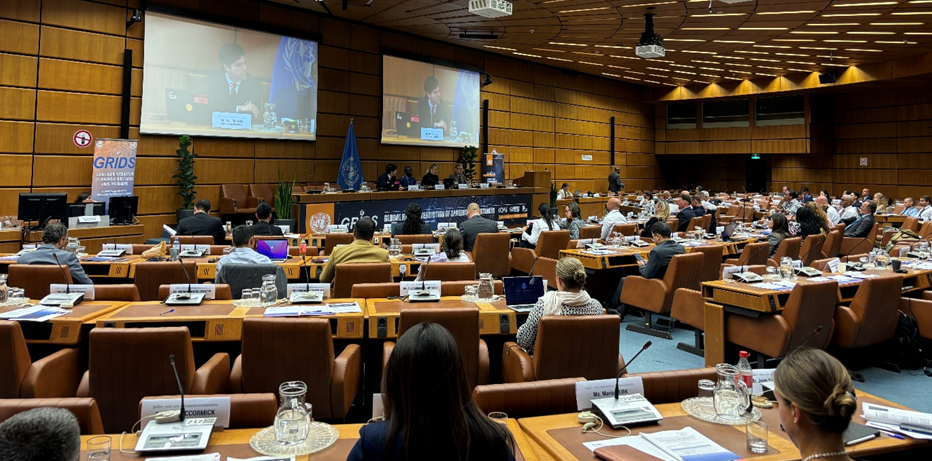
Vienna, 7 October 2024 - In September 2024, the International Narcotics Control Board (INCB) and the Universal Postal Union (UPU) held their 7th annual international operational expert meeting aimed at countering the trafficking of dangerous synthetic drugs and related chemicals through postal, express mail, courier and air cargo services. This event, referred to as POSTAL 7, convened 130 officers, experts, and industry leaders from 58 countries, along with representatives from international and regional organizations, including Interpol, the Caribbean Community Implementation Agency for Crime and Security (CARICOM IMPACS), the Pacific Transnational Crime Coordination Centre (PTCCC) and the World Customs Organization (WCO).
In her keynote address, Ms. Debbie Seguin, Assistant Director for Commercial Disruption and International Relations at the White House Office of National Drug Control Policy, expressed the commitment of the U.S. Department of State's Bureau of International Narcotics and Law Enforcement Affairs to support the INCB GRIDS Programme through the Global Coalition to Address Synthetic Drug Threats. Ms. Seguin highlighted the importance of POSTAL 7 as a space for experts to share best practices, emerging technologies, and successful examples from the past year to inform a unified approach to addressing the trafficking of dangerous substances.
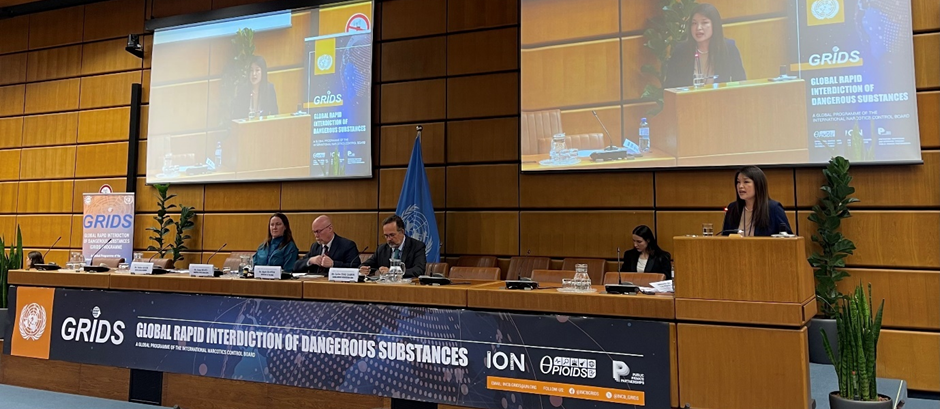
Photo: Opening remarks from Debbie Seguin, Assistant Director for Commercial Disruption and International Relations at the United States Office of National Drug Control Policy
Building upon the successes of activities held since the initiation of the INCB-UPU partnership agreement in 2018, this year's meeting emphasized the ongoing collaborative efforts to protect global supply chains from the infiltration of trafficked synthetic drugs and other hazardous chemicals. Mr. Mark Colhoun, Secretary of INCB, underscored the expanding scale and significance of the annual meeting, emphasizing the critical role that experts from the international postal, express mail, courier, and air cargo sectors play in thwarting traffickers who exploit legitimate express shipping modalities to distribute dangerous synthetic drugs.
Participants reviewed the latest threats and security concerns related to the trafficking of non-scheduled and emerging synthetic substances, with a particular focus on the outcomes of recent INCB operations' ZODIAC and AFRICAN STAR, which targeted trafficking in new psychoactive substances (NPS). Participants emphasized the importance of actionable open-source intelligence generated by INCB platforms, which monitor emerging suspicious vendors of evolving synthetic drugs on web-based marketplaces.
The meeting also saw the strengthening of operational cooperation agreements between INCB and several regional security agencies, providing for the exchange of expertise, information and intelligence vital for securing borders and supply chains against the infiltration of dangerous substances.
The UPU Postal Security Group Meeting also convened in the margins of POSTAL 7. This regular event addresses key challenges and emerging threats to global postal channel security with the seven UPU Regional Postal Security Managers (RPSM) being recognized for their achievements in postal security.
The INCB Fostering Opportunities and Resources for Women's Advancement, Recognition, and Development (FORWARD) Initiative, convened within the framework of the INCB GRIDS Programme, also held a side-event to promote discussion and provide networking opportunities. The side event enabled participants to connect, share experiences, and explore ways to further the advancement of women in security-related fields.
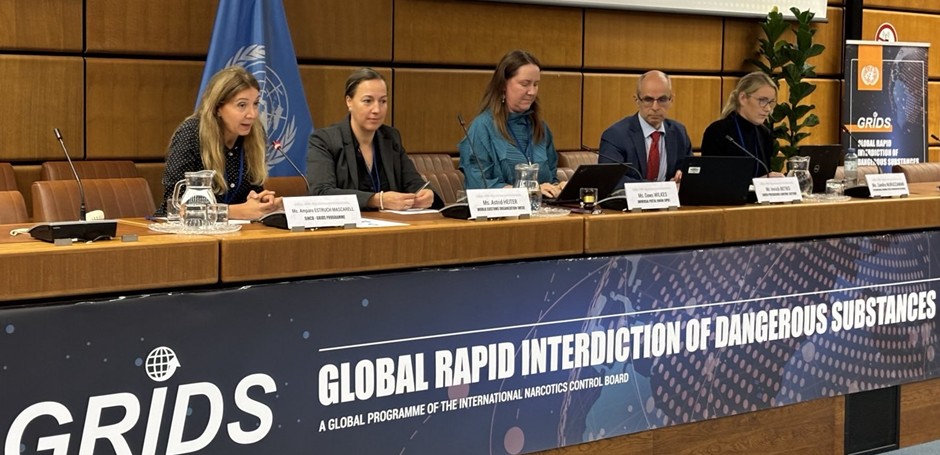
Photo: International expert panel discuss challenges to countering synthetic drug and chemical trafficking via post and express courier
The Board's Global Rapid Interdiction of Dangerous Substances (GRIDS) Programme and its Project Ion and global OPIOIDS Project and Public-Private Partnerships initiatives support Governments' capacity to respond to changing trafficking, illicit manufacture, marketing and sales of NPS, non-medical synthetic opioids and fentanyl-related substances by facilitating real-time information exchange, intelligence development and actions that support the interdiction of dangerous substances.
The INCB GRIDS Programme is supported by the Governments of Japan and the United States. This event was made possible through generous support from the United States of America Department of State Bureau of International Narcotics and Law Enforcement Affairs and the Japan Ministry of Foreign Affairs.
Click here to learn more about the GRIDS Programme
Click here to learn more about the OPIOIDS Project
Click here to learn more about the Project ION